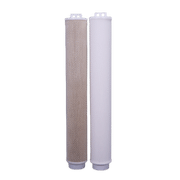
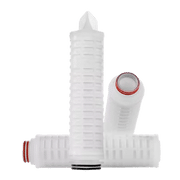
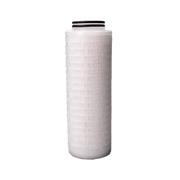
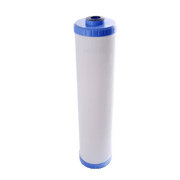
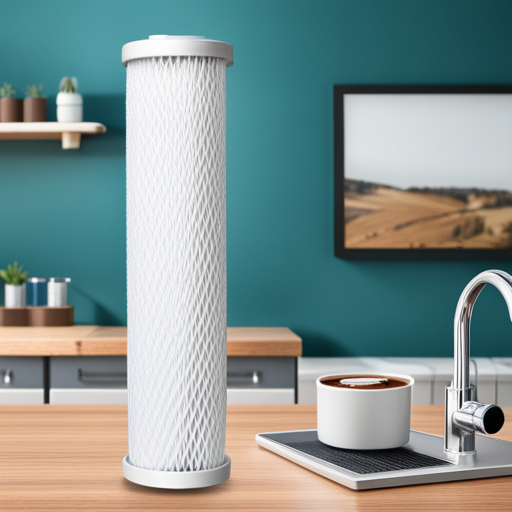
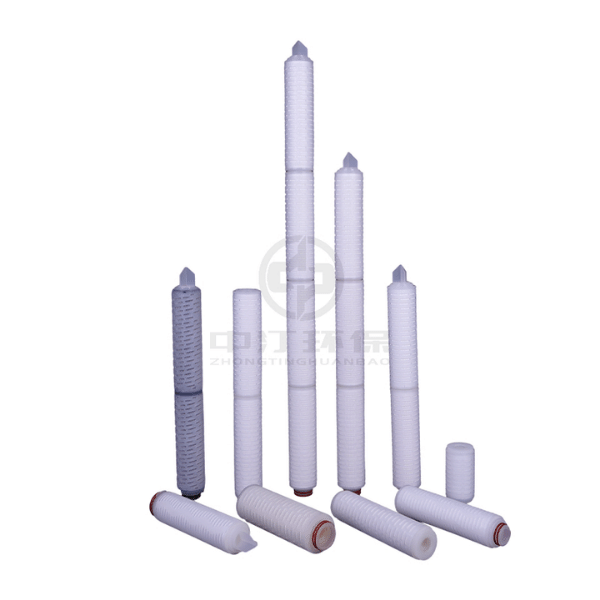
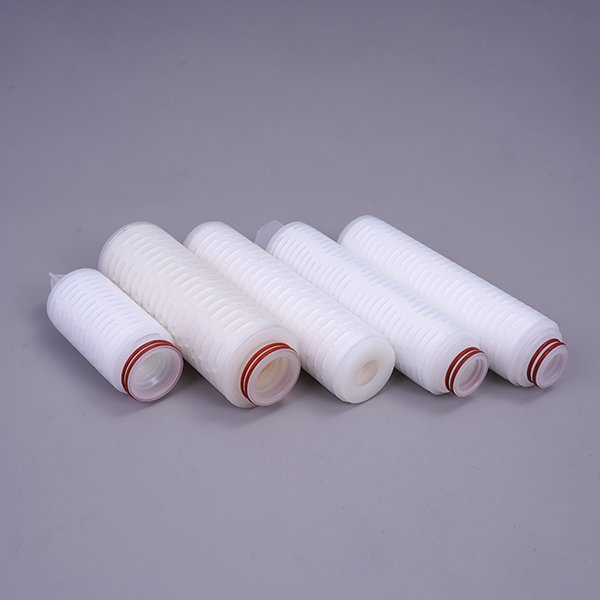
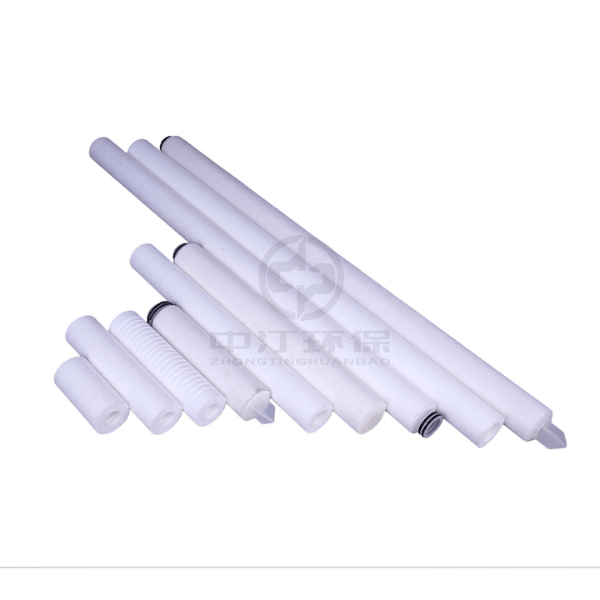
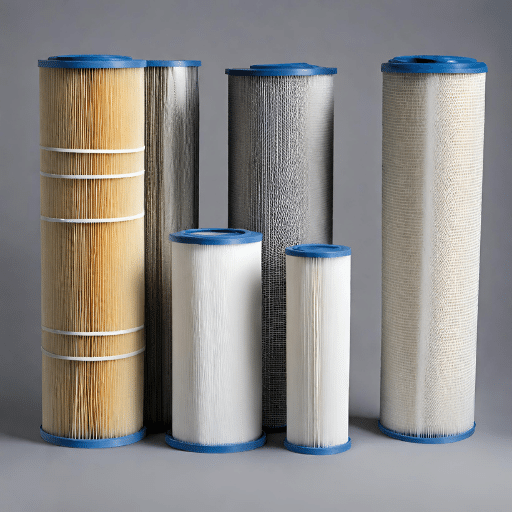
What are the Benefits of Using 10 Inch Water Filter Cartridges?

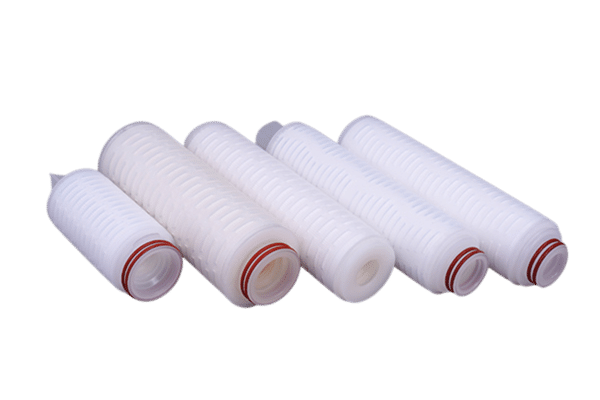
10-inch water filter cartridges offer a multitude of advantages:
- Impurity Removal: These cartridges are designed to efficiently filter out various contaminants, including sediment, chlorine, and certain microorganisms, thereby improving water quality.
- Versatility: Due to their standard size, 10-inch water filter cartridges are compatible with a wide range of water filtration systems.
- Cost-Effectiveness: These cartridges provide extensive filtration capacity before requiring replacement, making them a cost-effective choice in the long run.
- Improved Taste and Odor: By removing chlorine and other chemicals, these cartridges significantly enhance the taste and odor of water.
- Easy Installation and Replacement: The design of 10-inch cartridges allows for straightforward installation and replacement, reducing maintenance efforts.
Effectiveness of Sediment Filtration
Sediment filtration is a highly effective method used by 10-inch water filter cartridges to remove particulates from water sources. These filters trap larger particles like dust, sand, and rust, resulting in more precise and safer water. However, it’s important to note that sediment filtration alone doesn’t eliminate chemical or biological contaminants. It works best as part of a comprehensive water filtration system that includes other techniques like activated carbon or reverse osmosis for thorough purification.
Importance of Micron Rating
The micron rating of a water filter cartridge is crucial for evaluating its effectiveness. It indicates the smallest particle size the filter can block, with lower ratings offering higher filtration precision. However, a lower rating may reduce water flow and require more frequent filter changes. Balancing effective contaminant reduction with practical considerations is essential.
Whole House Water Filtration
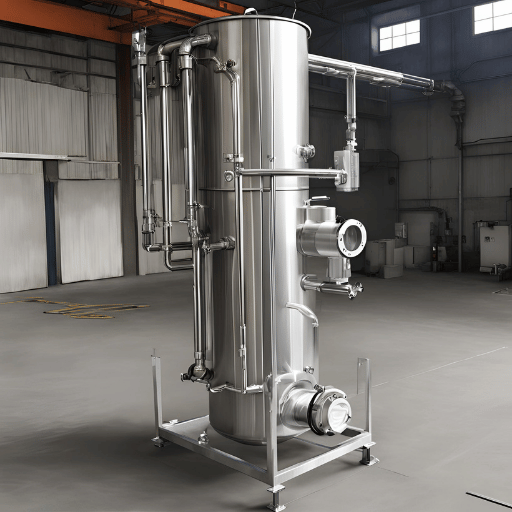
Whole-house water filtration is a comprehensive solution that ensures water purity throughout a household. Installed at the point of entry, these systems deliver filtered water to all outlets, making them ideal for homes with healthy water or high contamination levels. With multiple filtration techniques, like sediment and activated carbon, they provide consistent access to clean and safe water. Despite the initial cost, whole-house filters offer an economical and efficient solution for maintaining water quality in every corner of your home.
Carbon Block Filtration
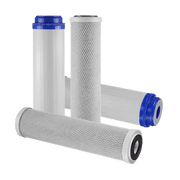
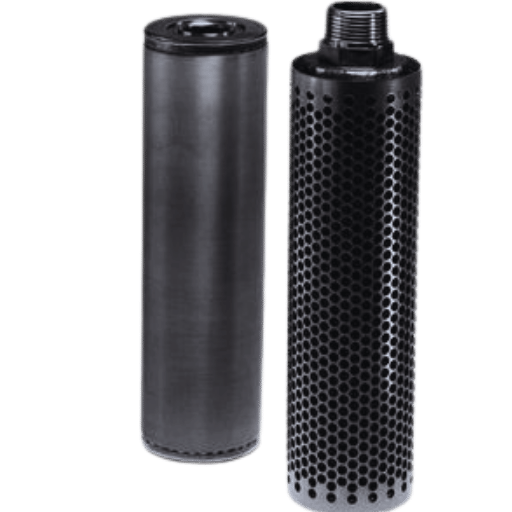
Carbon Block Filtration is a highly effective method that complements sediment filtration in a comprehensive water filtration system. This technique uses activated carbon blocks, renowned for their large surface area and high contaminant absorption capacity. Carbon block filters are especially effective at reducing chlorine, volatile organic compounds (VOCs), and other chemicals that affect the taste and odor of water. Furthermore, they can also trap smaller particles and certain types of bacteria, enhancing the overall water quality. It’s important to remember, though, that while carbon block filters improve taste and remove many chemicals, they can’t eliminate all types of contaminants, such as heavy metals or certain microorganisms. Therefore, they should be used as part of a multi-stage filtration process for best results.
Replacement Cartridge Considerations
When considering replacement cartridges for your water filtration system, it is essential to ponder a few key aspects:
- Compatibility: Ensure that the replacement cartridge is compatible with your filtration system. Not all cartridges are universal, and using the wrong type can lead to poor performance or even damage to the system.
- Filtration Capacity: Consider the filtration capacity of the cartridge. This refers to the amount of water the cartridge can filter before it needs replacing. This varies depending on the specific cartridge and the quality of your water.
- Certifications: Look for cartridges that have been independently tested and certified for the specific contaminants they claim to filter. Certifications from organizations like NSF International or the Water Quality Association ensure the cartridge’s effectiveness.
- Cost: While it is essential to invest in a high-quality cartridge, cost is a practical consideration. Always balance the cost of the cartridge with its performance and the frequency of change.
- Availability: Lastly, consider the availability of the replacement cartridges. They should be easily accessible from local retailers or online stores for convenience when it’s time to replace them.
How to Choose the Right 10 Inch Water Filter Cartridge for Your Needs

Understanding Micron Ratings
Micron ratings are a crucial factor to take into account when choosing a 10-inch water filter cartridge. The micron rating signifies the size of the particles that the filter is capable of removing from water. For instance, a filter with a 1-micron rating can filter out contaminants and particles larger than 1 micron, including bacteria and cysts. A filter with a 5-micron rating will filter out particles larger than 5 microns, such as sediment and rust. However, it’s important to note that a lower micron rating doesn’t necessarily mean better filtration. A filter with a lower micron rating will remove more contaminants but will also require more frequent replacement due to faster clogging. Therefore, it’s essential to choose the micron rating based on the specific water quality issues you are facing.
Considerations for Whole House Water Filtration
When considering a whole-house water filtration system, several factors need to be taken into account:
- Water Quality: The quality of your local water supply is a significant determinant. Test your water for contaminants to know what type of filtration system you need.
- Flow Rate: The system’s flow rate should meet your household’s water demand. It’s measured in gallons per minute (GPM) and should accommodate the combined water usage of all appliances and fixtures.
- Filter Lifespan: Consider the lifespan of the filter before it needs to be replaced. A longer life means less maintenance.
- Installation and Maintenance: The system should be easy to install and maintain. Some systems require professional installation.
- Certification: Look for certifications from organizations like NSF International or the Water Quality Association, which assure the system’s effectiveness.
Remember that the best system for you will depend on your specific needs and circumstances. Always do thorough research and consider consulting a professional for advice.
Benefits of Carbon Block Filters
Carbon block filters hold numerous benefits that make them an attractive choice for water filtration:
- Broad Spectrum Filtration: Carbon block filters are known for their broad-spectrum filtration capabilities. They effectively remove a wide range of contaminants, including chlorine, sediment, volatile organic compounds (VOCs), and unpleasant tastes and odors.
- Efficiency: Carbon block filters typically have a higher contaminant removal ratio compared to other types of carbon filters. This is due to their larger surface area, which allows for more prolonged and more efficient contact with the water.
- Cost-Effective: These filters are generally more cost-effective over their lifespan than other types of filters, given their high efficiency and the less frequent need for replacement.
- Environmentally Friendly: Carbon block filters are environmentally friendly. The charcoal used in these filters is typically made from coconut shells, a renewable and sustainable resource—moreover, their long lifespan results in less waste.
- Easy to Maintain: Carbon block filters are easy to maintain. Most systems allow for simple cartridge replacement, eliminating the need for professional servicing in many cases.
Remember, despite their advantages, carbon block filters may not be the optimal solution for all water quality issues. Always test your water first to determine the specific contaminants you need to address.
Replacement Cartridge Sizing and Compatibility
When replacing cartridges in a carbon block filtration system, sizing and compatibility are critical factors. Cartridges come in various sizes, typically ranging from 2.5″ x 10″ up to 4.5″ x 20″, and it’s essential to select the correct size for your particular system for optimal performance. Additionally, not all cartridges are compatible with all systems. Make sure to check the manufacturer’s specifications for your system to ensure the replacement cartridge you choose will work effectively. Most manufacturers provide detailed compatibility charts to assist with this process. Remember, using an incorrectly sized or incompatible cartridge can lead to reduced filtration effectiveness and potential system damage. Always double-check sizing and compatibility before making a replacement cartridge purchase.
Comparison of Different Micron Sediment Water Filter Cartridges
- 1 Micron Sediment Filter Cartridges: These cartridges are highly efficient, removing contaminants as small as 1 micron. Ideal for fine sediment removal, they can filter out microscopic particles such as fine dust, bacteria, and some viruses.
- 5 Micron Sediment Filter Cartridges: These cartridges offer a balance between thorough filtration and pressure loss. While less effective at removing microscopic particles than a 1-micron filter, they still provide excellent filtration for most household needs and have a longer lifespan.
- 10-Micron Sediment Filter Cartridges: These cartridges are designed for larger sediment particles. They’re excellent for use in areas with heavy sediment in the water supply, such as rural areas, and they tend to have longer lifespans due to their larger pore size.
- 20-Micron Sediment Filter Cartridges: These cartridges are ideal for pre-filtration in systems with multiple stages. They help protect finer filters downstream by removing larger particles and prolonging the life of subsequent filters.
Always remember that choosing the right micron size for your sediment water filter cartridge depends on your specific water quality issues and the purpose of filtration. Conducting a comprehensive water test is the first step in making an informed decision.
Installation and Maintenance Tips for 10-Inch Water Filter Cartridges

Proper Installation Techniques
- Inspect the Filter Housing: Before installing your water filter cartridge, it’s essential to inspect the filter housing for any cracks or leaks. This step is crucial to ensure the integrity of your filtration system.
- Positioning the Cartridge: Ensure that the cartridge is correctly oriented in the housing. Incorrect positioning can lead to inefficient filtration and potential leaks.
- Sealing the Housing: After positioning the cartridge, seal the housing securely. It’s essential to prevent any leaks which can lead to water wastage and reduced filtration efficiency.
- Test for Leaks: After installation, run the system and check for leaks. Immediate detection and rectification of leaks are essential in maintaining the performance of your filtration system.
- Regular Maintenance: Maintenance is critical to the functionality of your filter. Clean and replace cartridges as recommended by the manufacturer to ensure optimal performance and water quality.
Remember, proper installation is not just about putting a cartridge in place; it’s about ensuring that the entire system works efficiently and provides you with clean, safe water. Always refer to the product manual or professional advice if you’re unsure about any aspect of the installation process.
Recommended Maintenance Schedule
To maintain optimum performance of your water filtration system, a regular schedule should be adhered to.
- Weekly Checks: Conduct a visual inspection for leaks or damage. If any are identified, rectify them immediately.
- Monthly Checks: Check the water quality, including taste, odor, and clarity. If any changes are noted, it may be time to replace the cartridge.
- Quarterly Cartridge Replacement: Depending on usage and water quality, it’s suggested to replace the cartridge every 3-4 months. This ensures your water stays clean and healthy.
- Annual System Review: Once a year, have a professional review the entire system for any wear and tear or potential issues that might affect its performance.
Remember, these are general guidelines; specific schedules may vary based on brand, usage, and local water quality. Always refer to your product manual for detailed instructions.
Replacing Carbon Block Water Filter Cartridges
Replacing your carbon block water filter cartridges is an essential step to ensure that your filtration system operates at peak performance. Here’s a step-by-step guide on how to do it:
- Power Off: Always make sure to shut off the water supply before you start. This avoids any unwanted spills or water damage.
- Remove the Old Cartridge: Use the wrench tool provided by your manufacturer to unscrew the filter housing. Remove the old cartridge carefully to prevent any residual water from spilling.
- Clean Filter Housing: Before inserting the new cartridge, clean the filter housing with a mild detergent and rinse thoroughly to remove any debris or buildup.
- Insert New Cartridge: Place the new cartridge into the filter housing. Ensure it’s aligned correctly, as mentioned in the product manual.
- Tighten the Housing: Using the wrench tool, tighten the housing back onto the filtration unit. Be careful not to over-tighten, as it may damage the unit.
- Switch on Water Supply: Once everything is secure, switch the water supply back on. Check for any leaks around the cartridge housing.
- Flush the System: Allow water to run through the new cartridge for about 5 minutes to flush out any carbon fines. Afterward, you’re ready to enjoy fresh, clean water.
Remember, always refer to the user manual or contact a professional if you’re unsure during any step of this process.
Troubleshooting Sediment Water Filter Cartridge Issues
If you encounter problems with your sediment water filter cartridge, it’s essential to act swiftly to prevent potential damage to your filtration system. Here are some common issues and steps to troubleshoot them:
Decrease in Water Flow: This could be due to sediment buildup in the filter. Check the filter and replace it if it’s clogged or overly dirty. Remember, regular maintenance helps extend the lifespan of your cartridge and improves water quality.
Leaky Filter Housing: If you notice water leaking from the filter housing, ensure that the accommodation is correctly tightened. However, avoid over-tightening as it can cause damage. If the leak persists, inspect the O-ring and accommodation for any damage and replace them if necessary.
Turbid or Cloudy Water: If the water appears cloudy, it could be due to air in the system. This can occur when the system is not adequately flushed after cartridge replacement. Run water through the system until it runs clear.
Lousy Taste or Odor: If you notice a change in the taste or smell of the water, it might be time to replace your filter cartridge. Regular replacement of cartridges ensures the filtration system functions effectively.
Remember, if these troubleshooting steps do not resolve your issue, consult your product manual or contact a professional for assistance.
Ensuring Effective Water Filtration with 10-inch cartridges
10-inch cartridges are a popular choice for water filtration due to their optimal size and efficiency. Providing effective filtration with these cartridges involves several key steps.
Selection: Choosing the correct cartridge is the first step towards effective filtration. Cartridges are available in different materials such as Polyester-Plus, cellulose, and polypropylene. Each material has its unique filtration properties, and choosing the right one depends on the type of impurities present in your water.
Installation: Proper installation is crucial to the functionality of the filtration system. The cartridge should be inserted into the filter housing correctly, following the instructions provided by the manufacturer. Always ensure that the accommodation is securely tightened to prevent any leaks.
Maintenance: Regular maintenance is critical to the longevity and efficiency of your cartridge. This includes routinely checking for sediment buildup and replacing the cartridge when necessary. It is generally recommended to replace cartridges every three to six months, depending on water quality and usage.
Flushing: After every cartridge replacement, flushing the system is crucial to remove any trapped air or residual particles. Run water through the system until it runs clear before using it.
Following these steps will ensure your 10-inch water filter cartridges provide you with clean, safe, and tasteful water.
Common Problems with 10 Inch Water Filter Cartridges and How to Solve Them

Reduced Filtration Efficiency Over Time
One common issue with 10-inch water filter cartridges is the gradual reduction in filtration efficiency over time. This occurs due to sediment and impurities accumulating on the cartridge surface, hindering water flow and decreasing overall filtration efficiency. To resolve this, replace the cartridge. It is typically recommended to replace cartridges every three to six months, depending on water quality and usage. If you notice a significant decrease in water pressure or filtration speed, consider replacing the cartridge earlier. Always flush the system after installing a new cartridge for optimal performance.
Compatibility Issues with Whole House Filtration Systems
Compatibility issues can arise with 10-inch water filter cartridges in whole-house filtration systems. To prevent problems, make sure to purchase cartridges that fit snugly and are designed for your specific scenario. This ensures optimal filtration performance and prevents leaks or damage. Consult manufacturer guidelines or a water treatment professional if needed.
Challenges with Sediment Water Filter Cartridge Clogging
Clogging of sediment water filter cartridges can create several challenges:
- Reduced Water Flow: When sediment accumulates in the cartridge, it obstructs the flow of water, leading to a noticeable decrease in water pressure throughout your home.
- Impaired Filtration Efficiency: As the cartridge becomes clogged with sediment, it may not be able to effectively filter out other impurities from your water, impairing the overall quality of your water.
- Increased Energy Consumption: If the cartridge is part of a system that uses a pump, a clogged cartridge can make the pump work harder, resulting in increased energy consumption.
- Reduced Lifespan of Cartridge: Clogging can lead to premature wear and tear of the cartridge, requiring it to be replaced more frequently, which adds to maintenance costs.
To overcome these challenges, regularly check the cartridge for any blockages and replace it as recommended by the manufacturer or when you notice any signs of clogging. For systems that are exposed to high levels of sediment, consider using a pre-filter to extend the life of your cartridge.
Improper Carbon Block Water Filter Installation
Improper installation of a Carbon Block Water Filter can cause several issues, including leaks, reduced filtration efficiency, and premature system failure. Here are some common mistakes and problems:
- Incorrect Orientation: The direction in which the filter is installed matters. If it’s installed backward, the water flow will be impeded, diminishing the filter’s efficacy.
- Poor Sealing: If the filter is not sealed correctly, it may result in leaks, which can cause water damage and waste. Additionally, unfiltered water may bypass the filter, compromising the water’s cleanliness.
- Neglecting Pre-soaking: Some carbon block filters require pre-soaking in water before installation. Failure to do this can reduce the filter’s lifespan and effectiveness.
- Forgetting to Flush the Filter: It’s crucial to flush the new filter for a few minutes before using the water. This removes any loose activated carbon particles and ensures the water is safe to consume.
Proper installation is critical to ensuring your Carbon Block Water Filter operates effectively and lasts its entire intended lifespan. Always follow the manufacturer’s instructions, and don’t hesitate to consult with a water treatment professional if you’re unsure.
Addressing Micron Rating Mismatch for Optimal Filtration
Micron rating is crucial for optimal filtration. It determines the size of particles a filter can remove from water. Mismatched ratings may compromise water quality. Nominal ratings trap particles of a specific extent, while absolute ratings remove all particles of a specific size. To prevent mismatches, identify particle sizes in your water source and choose a filter accordingly. This ensures your Carbon Block Water Filter performs at its best, delivering clean and safe water.
The Importance of Regularly Replacing 10-inch Water Filter Cartridges

Maximizing Filter Efficiency and Longevity
Regularly replacing 10-inch water filter cartridges is crucial for maximizing efficiency and longevity. With time, contaminants saturate the filter, diminishing its effectiveness and potentially damaging the system. Generally, it is recommended to replace the cartridge every six months or sooner if the water quality or flow rate decreases significantly. By adhering to a regular replacement schedule, you ensure clean water, efficient system operation, and the extended lifespan of your carbon block water filter. Note that the manufacturer’s recommendations may vary based on specific water conditions and usage.
Preserving Water Quality and Taste
Regularly replacing your 10-inch water filter cartridges is crucial for maintaining consistent water quality and taste. Overused filters can’t effectively trap contaminants, leading to a decline in water quality and altered taste. Additionally, bacteria and organic compounds can build up on the filter, causing an unpleasant taste and potential health risks. By following manufacturer guidance and monitoring changes in taste, odor, or color, you can ensure refreshing and safe hydration.
Preventing Damage to Plumbing and Appliances
Regular replacement of your 10-inch water filter cartridges is also crucial in preventing damage to your plumbing, appliances, and fixtures. As filters become saturated with contaminants, they can no longer effectively protect your home’s pipes and devices from the potentially corrosive or damaging effects of these unwanted substances. Over time, this can lead to costly repairs and replacements. Moreover, certain devices, like coffee makers and ice machines, perform better and last longer with clean, filtered water. Consistently replacing your filter cartridges helps to prevent buildup and maintain the optimal performance and longevity of your home’s plumbing and appliances.
Ensuring Safe and Clean Drinking Water
Ensuring safe and clean drinking water is a primary reason for regular replacement of your 10-inch water filter cartridges. An overused filter may lose its efficacy in removing harmful contaminants like lead, mercury, or bacteria from your water supply. These pollutants can pose significant health risks when ingested, including gastrointestinal illnesses, neurological disorders, and, in extreme cases, even life-threatening conditions. A regularly replaced filter offers efficient removal of these contaminants, ensuring the water you consume is safe, clean, and healthy. Always adhere to the manufacturer’s guidelines for filter replacement to safeguard your health and that of your loved ones.
Meeting Recommended Maintenance Guidelines for Water Filtration Systems
Meeting the recommended maintenance guidelines for your water filtration system is crucial in ensuring its longevity and performance. This includes not only regular replacement of the filter cartridges but also cleaning and sanitizing the entire system at least twice a year. Regular maintenance prevents microbial buildup and keeps the system operating at peak efficiency. Also, inspecting the system for leaks or damage and fixing any issues promptly can prevent costly repairs down the line. Always refer to your system’s specific user manual for detailed maintenance instructions. Remember, a well-maintained water filtration system equates to a safe, clean, and reliable water supply for your home.
References
- SimpureLife: This source provides a comparison between 10-inch and 20-inch water filters, discussing how both types can improve the quality and safety of drinking water.
- Ronaqua – 1 Micron Filter: This manufacturer’s website discusses the 10-inch 1-micron sediment water filter cartridge, which effectively removes most sediments and particles from water.
- SpringWell Water: This source explains the importance of micron ratings in water filtration, stating that a 10-micron filter can remove certain invisible particles from water but not bacteria or viruses.
- Ronaqua – 5 Micron Filter: Another product page from Ronaqua, focusing on the 10-inch 5-micron sediment water filter cartridge and its effectiveness in removing sediments and particles.
- WaterAnywhere: Discusses the use of 10″ standard-size water softening filter cartridges in providing soft water to individual appliances or machines.
- Quality Water Lab: Explains why water filters can get dirty quickly and suggests that installing a larger filter may be a solution.
- Water Filters of America: An online retailer offering a variety of water filter cartridges, emphasizing their premium quality and budget-friendly prices.
- FilterWay: Discusses grooved sediment filter cartridges and how their design improves their ability to remove contaminants from water.
- Filson Filters: This source explains how certain water filters can add minerals back into the water, improving its quality by boosting its pH value.
- Pentair: A leading manufacturer’s website providing technical specifications for their range of cartridge filters designed for improving water quality.
Recommended Reading: Cartridge Filters for Industrial Water Treatment

 English
  French
  Spanish
  Portuguese
  Korean
  Russian
  Arabic